- Personal Health: $145 billion (includes natural/organic food, personal care, supplements, holistic medicine, natural homeopathic OTC’s etc.)
- Green Building: $130 billion (includes certified homes, Energy Star appliances, etc.)
- Alternative Transportation: $28 billion (includes hybrids, diesel vehicles, electric vehicles, car sharing, etc.)
- Eco-tourism: $51 billion (includes travel spent on excursions in nature)
- Natural Lifestyles: $11 billion (includes home furnishings, apparel, etc.)
- Alternative Energy: $1.2 billion (renewable power)
Doing Business Naturally
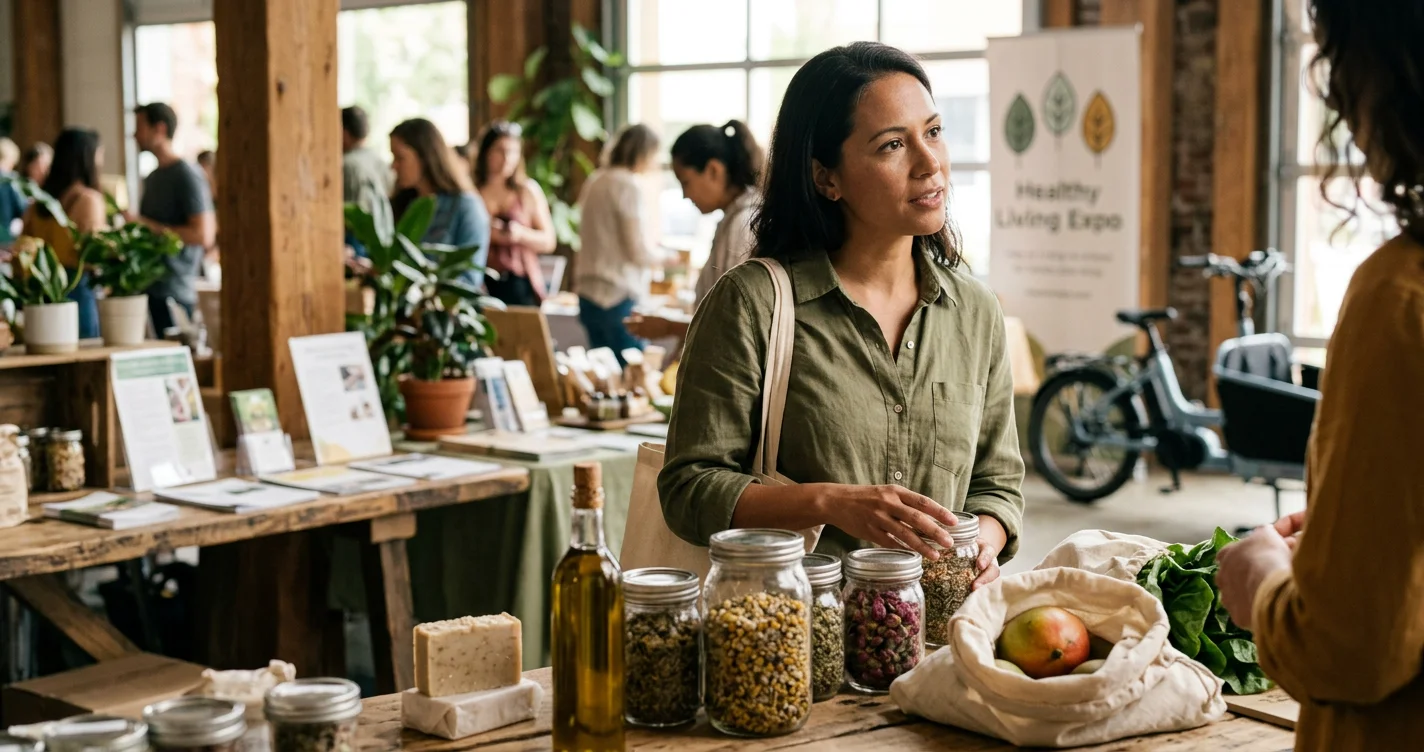
What good can possibly come out of longer lines at the doctor’s office, higher health insurance premiums and higher gas prices? Ask Hybrid, the Vitamin Shoppe and Whole Foods… Companies who market "natural", "health" and "sustainability" are benefiting from the escalating mess in both healthcare and energy costs.
The "natural products expo" kicks off this week, the countdown to Earth Day, Week, Month is well on its way, the first mass-market electric car just launched in the US and Subway with "EAT FRESH" slogan has now become the number one largest restaurant chain worldwide. That said, I thought it would be apropos to discuss the enormous opportunity in the natural marketplace and its burgeoning demographic.
Wondering if you fit in? Let me ask you this: Do you visit a vitamin store more frequently than your pharmacy, do you get in line at Whole Foods which by the way is longer than the one at the DMV and do you consider your chiropractor or acupuncturist as your general health doctor? If you checked yes to one or all of the above, you are likely to be a well-educated consumer who is interested in healthy, sustainable living and green or ecological products and services. Therefore, you are a prime target for what marketers have now dubbed as the LOHAS demographic (Lifestyles of Health and Sustainability).
U.S. LOHAS spending in the general market sectors for 2010 is as follows: