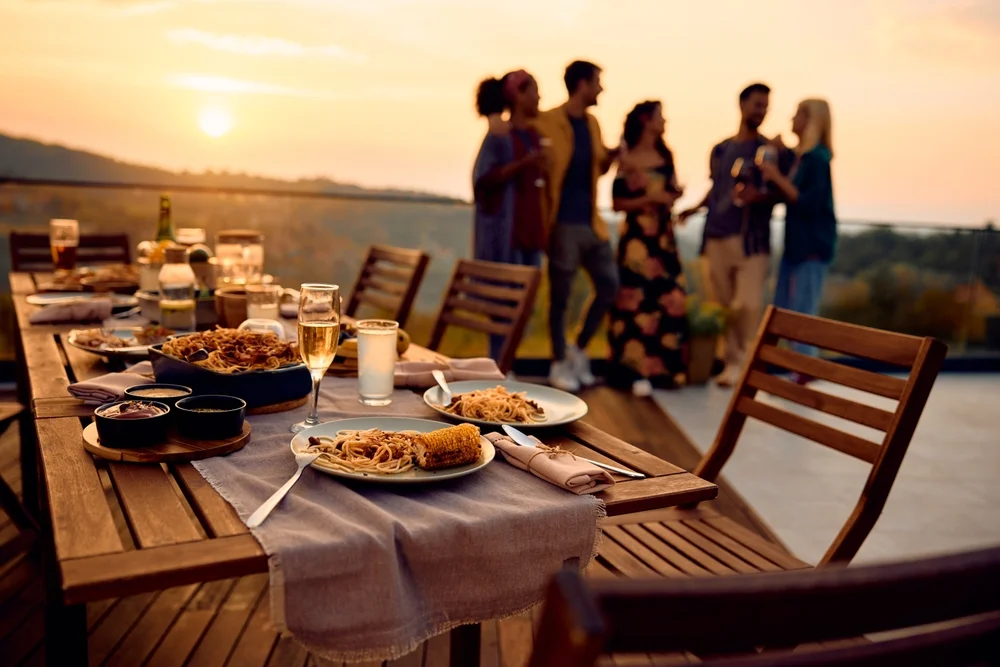
Private media dinners represent one of the most powerful yet underused tools in a PR professional's arsenal. When executed well, these intimate gatherings transform transactional journalist relationships into genuine partnerships that yield feature stories, trend pieces, and profile coverage far beyond the superficial mentions typical of mass press events. The difference between a forgettable press briefing and a memorable dinner lies in three core elements: strategic invitations that attract the right reporters, authentic conversations that generate quoteable moments, and thoughtful follow-up that converts goodwill into published stories. This guide walks through each phase of planning and executing media dinners that deliver measurable results for your brand.
Build Your Guest List with Precision
The foundation of any successful media dinner starts with selecting journalists whose coverage history aligns with your event theme and brand narrative. Research past articles written by potential guests to verify their beat matches your story angle. For example, if you're hosting a BBQ-focused dinner for a grilling product launch, avoid inviting health food writers who cover plant-based diets. This alignment ensures attendees arrive with genuine interest rather than obligation, setting the stage for authentic engagement.
When crafting invite emails, personalization separates your request from the dozens of generic pitches reporters receive daily. Reference a specific recent article the journalist published, then explain why your story fits their audience and editorial focus. This approach builds trust and demonstrates you've done your homework. Include clear expectations for coverage output in your invitation—whether you're hoping for a feature article, social media posts, or simply relationship-building—to filter out those seeking free meals without reciprocal value.
Timing plays a critical role in securing RSVPs from busy reporters. Pick non-competitive dates that avoid major industry events or news cycles when journalists face deadline pressure. Send initial invites three to four weeks ahead, followed by a reminder seven days out and a final confirmation request two days before the event. Respond to journalist queries within hours to maintain momentum and show respect for their time. This responsive approach turns initial interest into confirmed attendance while building goodwill before guests even arrive.
Select and Prepare Your Venue
The right venue creates an environment where genuine conversations flourish. Prioritize private, quiet spaces with professional staff trained to handle small-group dinners without disruptions. Your venue checklist should include adequate lighting for food photography (journalists often share dish photos on social media), appropriate seating capacity for intimate conversation (typically 8-12 guests maximum), and exclusive access that makes attendees feel valued rather than part of a crowd.
Custom menu planning demonstrates attention to detail that reporters notice and appreciate. Collect dietary restrictions during RSVP confirmation, then work with the venue to accommodate needs without making guests feel singled out. Create personalized menus featuring guest names or their outlet names as a subtle touch that signals you've invested in their experience. Coordinate with the chef to prepare dishes that tell a story connected to your brand narrative, providing natural conversation starters throughout the meal.
Conduct a pre-event walkthrough with venue staff to minimize potential disruptions during the dinner. Train servers on media interactions, instructing them to be attentive but unobtrusive, allowing conversation to flow naturally. Provide staff with a brief overview of your brand story so they can answer basic questions if approached directly. Position executives or spokespeople at strategic seats where they can engage naturally without dominating discussions. This preparation ensures the evening runs smoothly, allowing you to focus on facilitating meaningful exchanges rather than managing logistics.
Facilitate Conversations That Generate Stories
The seating arrangement sets the tone for the entire evening. For groups of 8-12, a single long table works best, allowing everyone to participate in one conversation while maintaining intimacy. Alternate seating between journalists and company representatives to encourage cross-pollination of ideas. Avoid clustering all reporters together, which can create an us-versus-them dynamic that stifles authentic sharing.
Begin with a brief, sincere thank-you speech from a key company representative—no longer than two minutes—acknowledging the journalists' work and expressing genuine appreciation for their attendance. Frame the evening as relationship-building rather than a formal pitch session. Then transition quickly to informal conversation, allowing natural dialogue to emerge organically.
Prepare topic prompts that mix professional insights with personal anecdotes to spark quoteable moments. Share menu inspirations or team milestones that humanize your brand beyond corporate messaging. For example, if you're launching a new product, discuss the challenges your team faced during development or the customer feedback that shaped the final design. These behind-the-scenes stories provide the narrative depth journalists need for feature articles rather than simple product announcements.
Position executives at tables to offer expert commentary when appropriate, but coach them to listen more than they speak. The goal is to draw out journalists' perspectives and questions, not deliver a sales pitch. Facilitate panels or roundtable discussions on industry trends, inviting reporters to share their observations from covering your sector. This approach generates soundbites from all guests while positioning your company as a thought leader rather than a self-promoter.
Consider incorporating a brief chef demo or product tasting mid-dinner to generate excitement and provide a natural break in conversation. These experiential elements give journalists tangible moments to write about and share on social media, extending the event's reach beyond those in attendance. Grant exclusive interviews or previews during these demonstrations to create additional value for attendees.
Convert Goodwill Into Published Coverage
The follow-up sequence determines whether your dinner translates into actual media coverage. Within 24 hours, send personalized thank-you emails to each attendee, referencing specific conversations from the evening to demonstrate you were present and engaged. Avoid generic templates that undermine the personal connections you built during dinner.
Include a thoughtfully curated take-home bag with unique items tied to your brand narrative. Choose gifts that prompt social posts or article mentions—for example, a cookbook featuring recipes using your product, or a sample kit that encourages hands-on testing. Add a handwritten note explaining the connection between the gift and your brand story, making it easy for journalists to incorporate these items into future coverage.
One week after the event, send a second follow-up with tailored story angles based on topics discussed during dinner. If a journalist expressed interest in a particular aspect of your business, provide additional resources, data, or interview opportunities to support that angle. This demonstrates you listened to their needs and are committed to helping them develop quality stories rather than simply seeking any mention.
Track metrics that measure both immediate coverage and long-term relationship strength. Monitor article mentions, social media posts, and sentiment in the weeks following your dinner. Note which journalists attended and later published stories, then prioritize those relationships for future events. Measure the depth of coverage—feature articles and trend pieces carry more weight than brief mentions—to assess whether your dinner achieved its goal of generating substantial media attention.
Host future roundtables or exclusive preview events for journalists who engaged meaningfully at your dinner, deepening these relationships over time. This ongoing investment transforms one-time attendees into reliable sources of coverage who understand your brand story and can contextualize future announcements within broader industry trends.
Moving Forward with Your Media Dinner Strategy
Private media dinners require more planning and personalization than traditional press events, but the payoff in coverage quality and journalist relationships justifies the investment. Start by identifying 8-12 journalists whose coverage history aligns with your brand narrative, then craft personalized invitations that demonstrate genuine interest in their work. Select an intimate venue with professional staff, prepare a menu that tells your brand story, and facilitate conversations that mix professional insights with personal anecdotes. Follow up within 24 hours with personalized thank-yous and tailored story angles, then track both immediate coverage and long-term relationship growth to measure success. By treating these dinners as relationship-building opportunities rather than transactional pitch sessions, you'll convert skeptical reporters into advocates who deliver the in-depth coverage that drives real business results.