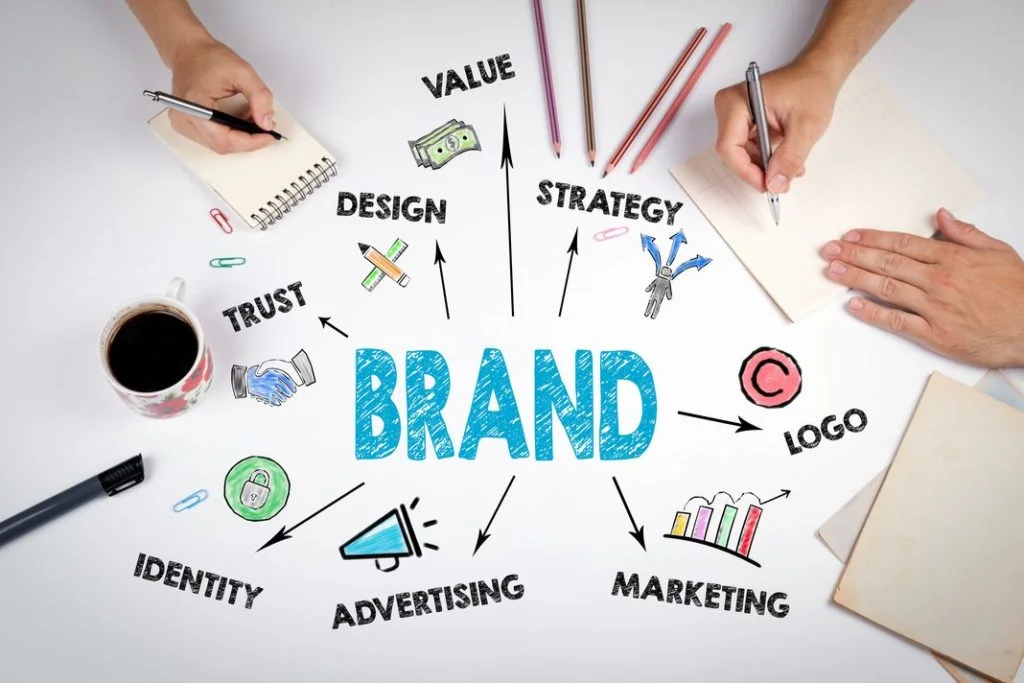
Keeping your brand story fresh and relevant requires ongoing attention and strategic updates. Research shows that 77% of B2B marketing leaders believe their brand messaging needs improvement, according to a 2023 Forrester study. When customers stop connecting with your narrative or market conditions shift dramatically, it's time to refresh how you tell your brand's story. A successful brand refresh maintains your core identity while adapting your messaging to resonate with today's audiences. This comprehensive guide will walk you through the process of reviving a stale brand narrative through messaging pivots, stakeholder insights, and story restructuring.
Signs Your Brand Narrative Needs Refreshing
Declining Engagement Metrics
When your brand's story stops resonating, the numbers tell the tale. Watch for consistent drops in key performance indicators like social media engagement, email open rates, and conversion metrics. According to the Content Marketing Institute's 2023 report, brands that updated their messaging saw an average 23% increase in engagement compared to those that maintained static narratives.
Misalignment with Current Market Position
Markets evolve rapidly, and yesterday's positioning may not reflect your current offerings or competitive advantages. If your messaging still focuses on outdated value propositions or fails to address new customer pain points, it's time for an update. A 2023 McKinsey study found that 68% of companies that maintained static brand positioning for over five years experienced market share decline.
Audience Disconnect
When customer feedback indicates confusion about what your brand stands for, or when your target demographic has shifted significantly, your narrative needs realignment. Pay attention to social listening data, customer service interactions, and sales team feedback to identify disconnects between your message and audience expectations.
Conducting a Brand Narrative Audit
Analysis of Current Messaging
Start by documenting all existing brand messaging across channels. Review website copy, marketing materials, social media content, and sales collateral. Note inconsistencies, outdated references, and areas where the message lacks clarity or impact.
Competitive Landscape Review
Analyze how competitors position themselves and communicate their value. Identify gaps in the market narrative that your refreshed story could fill. This analysis helps ensure your updated messaging stands out while remaining relevant to industry conversations.
Data Collection and Analysis
Gather quantitative and qualitative data about message effectiveness. Review analytics from digital channels, conduct surveys, and analyze customer feedback. According to Gartner's 2023 Marketing Survey, companies that base messaging updates on data analysis are 2.6 times more likely to achieve their brand refresh objectives.
Stakeholder Interview Process
Internal Stakeholder Engagement
Schedule structured interviews with employees across departments. Include leadership, customer-facing staff, and long-term employees who understand the brand's evolution. Ask about their perception of the brand's strengths, weaknesses, and core values.
Customer Interview Strategy
Select a diverse sample of current and former customers for in-depth interviews. Focus on understanding their brand experience, pain points, and what initially attracted them to your brand. Document specific language they use to describe your value proposition.
Interview Question Framework
Develop a consistent set of questions that probe both rational and emotional connections to your brand. Include questions about brand perception, value delivery, and areas for improvement. The Harvard Business Review suggests including projective techniques to uncover deeper insights about brand associations.
Messaging Pivot Strategies
Identifying Core Message Elements
Determine which aspects of your current narrative remain relevant and which need updating. Create a message architecture that clearly defines your brand's purpose, promise, and personality. This foundation guides all messaging updates while maintaining brand consistency.
Creating New Message Frameworks
Develop updated messaging frameworks that align with current market needs while preserving brand authenticity. Include key messages, supporting points, and proof points that demonstrate your value proposition. According to the 2023 Edelman Trust Barometer, brands that clearly communicate their purpose see 4x higher trust scores.
Testing and Refinement
Before full implementation, test new messaging with select audience segments. Use A/B testing for digital content and gather feedback through focus groups or customer panels. Refine based on performance data and audience response.
Story Re-architecture
Narrative Structure Updates
Rebuild your brand story using contemporary storytelling techniques. Focus on creating an emotional connection while clearly communicating value. The story should reflect current market realities while maintaining authenticity.
Content Adaptation
Modify existing content to align with the refreshed narrative. Update case studies, testimonials, and brand materials to reflect new messaging while preserving successful elements of previous content.
Channel-Specific Considerations
Adapt your refreshed narrative for different communication channels. Create guidelines for maintaining consistency while optimizing for each platform's unique characteristics and audience expectations.
Implementation and Integration
Rollout Planning
Create a detailed implementation timeline for introducing refreshed messaging across all channels. Include training for internal teams and communication plans for external stakeholders.
Measurement Framework
Establish KPIs to track the effectiveness of your refreshed narrative. Include metrics for brand awareness, audience engagement, and business impact. According to Deloitte's 2023 CMO Survey, brands with clear measurement frameworks are 3x more likely to achieve refresh objectives.
Ongoing Optimization
Plan for regular reviews and updates to keep your narrative fresh and relevant. Schedule quarterly assessments of message effectiveness and annual comprehensive reviews of your brand story.
Conclusion
Refreshing a stale brand narrative requires careful planning, thorough research, and strategic execution. Success depends on maintaining the delicate balance between preserving brand authenticity and updating messaging to meet current market needs. Start by conducting a comprehensive audit, gather insights through stakeholder interviews, and methodically update your messaging and story architecture. Remember that brand narrative refresh is an ongoing process rather than a one-time project. Monitor results consistently and be prepared to make adjustments based on performance data and market changes. By following these guidelines and maintaining focus on your audience's needs, you can create a compelling, current brand narrative that resonates with today's market while honoring your brand's core identity.