Stepping into the spotlight as your company's spokesperson can feel like standing at the edge of a diving board—exhilarating and terrifying in equal measure. Whether you're preparing for a local news segment, a podcast interview, or a high-stakes press conference, the pressure to represent your organization flawlessly can overwhelm even seasoned professionals. The good news? Media training isn't reserved for CEOs and celebrity executives. With the right preparation framework, anyone can learn to deliver clear, confident messages that resonate with audiences and protect their organization's reputation. This guide walks you through practical, actionable techniques to master your key messages, redirect challenging questions, conduct realistic practice sessions, and build on-camera confidence—all before your first interview goes live.
Develop and Memorize Your Core Messages
Every successful media appearance begins with crystal-clear messaging. Before you worry about what to wear or how to sit, you need to identify the 3-5 core points you want every audience member to remember after the interview ends. These messages serve as your North Star, guiding you back on track when conversations drift or interviewers throw curveballs.
Start by asking yourself what you want viewers, listeners, or readers to think, feel, or do after hearing you speak. Write down your answers in plain language—avoid jargon, acronyms, or insider terminology that alienates general audiences. Each message should follow a simple structure: identify who benefits, explain the specific advantage, and clarify how your solution delivers that advantage. For instance, instead of saying "Our platform offers robust functionality," try "Our software helps small business owners process invoices in minutes instead of hours, freeing them to focus on growth." The second version paints a picture and connects to a real pain point.
Once you've drafted your messages, test them on colleagues who aren't familiar with your work. If they can repeat your main points back to you after a single hearing, you've nailed it. If they look confused or ask for clarification, simplify further. Memorable messages stick because they're specific, audience-focused, and free of corporate fluff. Write each message on an index card and practice delivering them aloud while timing yourself—aim for 10-15 seconds per point. This constraint forces you to trim unnecessary words and sharpen your language.
Repetition builds automaticity. Spend 10 minutes each day rehearsing your messages without notes, recording yourself on your phone, and playing back the audio to catch filler words, awkward pauses, or unclear phrasing. After a week of daily practice, you'll find these messages flowing naturally in conversation, which means you can focus your mental energy on listening to the interviewer and adapting your delivery rather than scrambling to remember what to say.
Master the Art of Question Redirection
Interviewers rarely stick to your preferred script. They might ask about controversies, competitors, or topics completely outside your expertise. Learning to redirect questions back to your core messages separates polished spokespeople from those who stumble through uncomfortable moments or accidentally create new problems for their organization.
The bridging technique gives you a structured way to acknowledge a question while steering the conversation toward your prepared talking points. Start by validating the interviewer's question with a brief phrase like "That's an interesting angle" or "I appreciate you raising that." This shows respect and prevents you from appearing defensive or evasive. Then, immediately pivot to your message using transition phrases such as "What I'd add is..." or "Here's what matters most to our customers..." The key is making the transition feel natural rather than robotic.
Practice this skill by writing out 10 potential tough questions related to your industry, company, or role. For each question, draft a response that uses a bridging phrase and connects to one of your core messages. For example, if an interviewer asks about a competitor's recent announcement, you might say: "Competition drives innovation across our industry, which benefits everyone. What sets us apart is our focus on [insert your unique value proposition], which is why our retention rate sits at 94%." You've acknowledged the question, avoided trash-talking a competitor, and redirected to your strength.
Body language matters just as much as your words during these pivots. When you hear a difficult question, resist the urge to shift in your seat, cross your arms, or break eye contact. Instead, pause for one full breath before responding—this brief silence signals thoughtfulness rather than panic. Maintain steady eye contact with the interviewer, keep your shoulders relaxed and facing forward, and speak at your normal conversational pace. Rushing your response or changing your tone signals discomfort, which undermines your credibility even if your words are perfect.
Conduct Realistic Mock Interview Sessions
Reading about interview techniques won't prepare you for the real thing. You need hands-on practice that simulates the pressure, pacing, and unpredictability of actual media appearances. Mock interviews transform theoretical knowledge into muscle memory, helping you identify weak spots in your messaging and delivery before they become public mistakes.
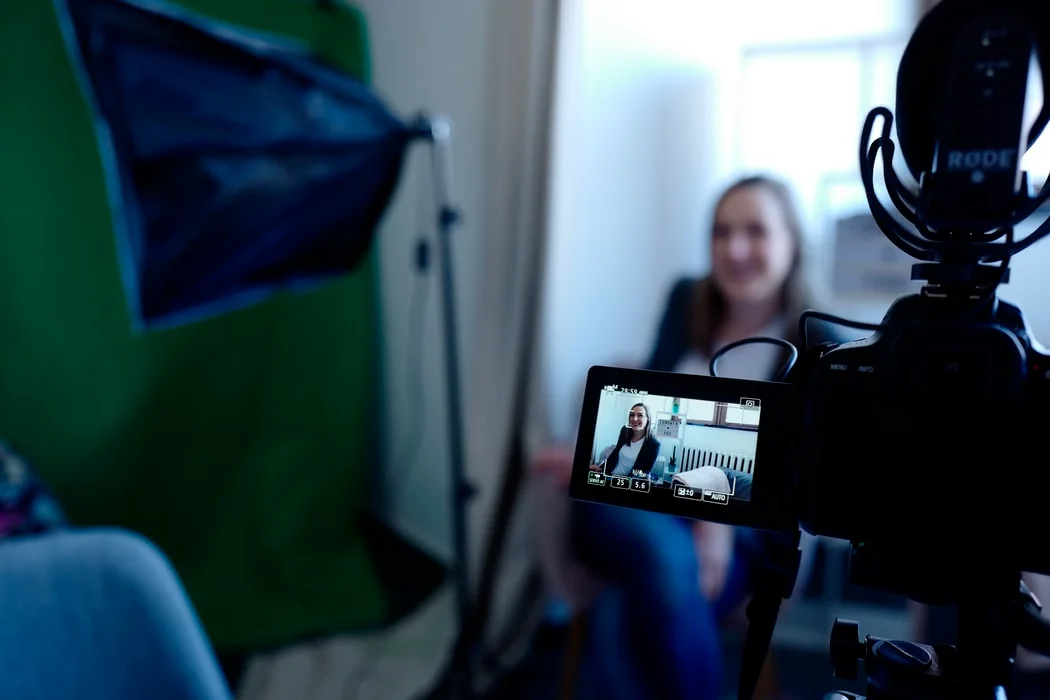
Set up a dedicated practice space in your home or office. Position your phone on a stable surface or tripod at eye level, about two to three feet away from where you'll sit or stand. This distance mimics the framing you'll see in most video interviews. Lighting makes a significant difference in how professional you appear on camera—position yourself facing a window for natural light, or angle a desk lamp at 45 degrees to eliminate harsh shadows on your face. Choose a clean, uncluttered background that won't distract viewers from your message.
Recruit a colleague, friend, or family member to serve as your interviewer. Give them a list of questions ranging from friendly softballs to hostile challenges, and ask them to vary their tone and pacing to keep you on your toes. Record the entire session so you can review your performance afterward. During the interview, treat it as seriously as you would a live appearance—no stopping to restart, no laughing off mistakes, no breaking character. The discomfort you feel during these practice runs is exactly what you need to experience in a safe environment.
After each mock session, watch the recording with a critical eye. Score yourself on message delivery (did you hit all your key points?), clarity (were you easy to understand?), eye contact (did you maintain natural engagement with the interviewer?), pacing (did you rush or drag?), and body language (did you appear confident and open?). Create a simple scoring rubric with ratings from 1-4 for each dimension, and track your progress across multiple sessions. Most first-timers need at least five practice interviews before they feel comfortable—start with easy questions in session one, gradually introduce tougher scenarios, and finish with a full simulation that includes interruptions, follow-up questions, and time pressure.
Build Confidence Through Daily Preparation Rituals
Confidence on camera isn't about faking it—it's about preparation that makes you genuinely ready for whatever comes your way. Physical and mental warm-up routines help you show up as your best self, even when nerves threaten to take over.
Start every practice session and real interview with a five-minute warm-up routine. Begin with box breathing: inhale for four counts, hold for four, exhale for four, hold for four, and repeat this cycle eight times. This breathing pattern activates your parasympathetic nervous system, which counteracts the fight-or-flight response that makes your voice shake and your mind go blank. Follow this with gentle shoulder rolls and neck stretches to release physical tension that tightens your voice and restricts your natural gestures.
Vocal warm-ups prime your speaking voice and build confidence in your delivery. Say your key messages aloud at different volumes and speeds—whisper them, shout them, say them slowly, say them quickly. This variation trains your vocal cords and helps you find the optimal pace and tone for clear communication. Finish your warm-up with a power pose: stand with your feet shoulder-width apart and your hands on your hips or raised above your head for 60 seconds. Research from social psychologist Amy Cuddy suggests that holding expansive postures can increase feelings of confidence and reduce stress hormones.
Track your progress systematically using a weekly log. Record how many practice sessions you completed, your average message delivery score, your self-assessed confidence level on a scale of 1-10, and specific observations about what improved or needs work. This documentation serves two purposes: it shows you tangible evidence of your growth, which builds confidence, and it helps you identify patterns in your performance. Maybe you notice that you always stumble on a particular message, or that your confidence dips when practicing late in the evening. These insights let you adjust your preparation strategy for better results.
Handle Common First-Timer Mistakes
Even with solid preparation, first-time spokespeople tend to fall into predictable traps. Recognizing these patterns helps you avoid them before they undermine your performance.
Filler words—"um," "uh," "like," "you know"—creep into speech when your brain searches for the next thought. The solution isn't to eliminate pauses but to replace verbal fillers with silence. A one-second pause reads as thoughtful confidence on camera, while "um" every few words signals uncertainty. Practice delivering your messages with deliberate pauses between sentences. At first, the silence will feel awkward, but viewers interpret it as you choosing your words carefully.
Many beginners answer questions too quickly, jumping in before the interviewer finishes speaking or before they've fully processed what was asked. This eagerness often leads to incomplete or off-target responses. Train yourself to take one full breath after the interviewer stops talking before you begin your answer. This brief pause gives you time to organize your thoughts, signals that you're listening carefully, and prevents you from interrupting.
Over-explaining is another common pitfall. When nervous, people tend to keep talking, adding detail after detail in hopes of being thorough. This approach buries your key messages under layers of unnecessary information. Practice the discipline of delivering your main point in two to three sentences, then stopping. Let the interviewer ask follow-up questions if they want more detail. This approach keeps you in control of the conversation and makes your messages more memorable.
Prepare for Different Interview Formats
Not all media appearances follow the same structure. A live TV segment operates differently from a recorded podcast, which differs from a print interview. Understanding these format variations helps you adapt your preparation accordingly.
Live television demands conciseness and energy. You might have only 90 seconds of airtime, which means you need to deliver your most important message within the first 30 seconds in case the segment gets cut short. Practice answering questions in tight, punchy responses that work as standalone sound bites. Maintain higher energy in your voice and gestures than feels natural—what seems over-the-top in person often translates as appropriately animated on screen.
Podcast interviews typically allow for longer, more conversational exchanges. You have more time to develop your points and tell stories that illustrate your messages. However, this format also requires you to maintain engagement without visual cues—your voice carries the entire performance. Practice varying your vocal tone, pace, and volume to keep listeners interested. Record yourself speaking for 10-15 minutes and listen back to identify monotonous stretches where your energy dips.
Print and online interviews give you the luxury of time to formulate responses, but they also create a permanent written record that can be quoted out of context. Be especially careful with email interviews, where you can't use tone or body language to soften your words. Read your written responses aloud before sending them to catch phrasing that might sound harsh or defensive in print.
Moving Forward with Confidence
Media training transforms from an intimidating challenge into a manageable skill when you break it into concrete, repeatable steps. You don't need years of experience or natural charisma to succeed as a spokesperson—you need clear messages, practiced redirection techniques, realistic mock interviews, and daily confidence-building rituals. Start small by drafting your three core messages this week and practicing them aloud for 10 minutes each day. Schedule your first mock interview for next week, even if it's just 10 minutes with a supportive colleague asking friendly questions. Review the recording, identify one specific area to improve, and run another session the following week with slightly tougher questions.
By your fifth practice session, you'll notice a significant shift in your comfort level. Your messages will flow without conscious effort, your redirects will feel natural rather than forced, and your on-camera presence will project the authority and credibility your role demands. The spokesperson who walks into that first real interview will bear little resemblance to the nervous beginner who started this preparation journey. Take the first step today—your future self will thank you when the cameras start rolling.