 Neologism is ‘ a new word, usage or expression’.
Some neologisms in marketing have transformed into ‘generic trademarks’ such as Post-it, Velcro, Biro and Frisbee.
For marketing, neologisms are often wordplay centered around a brand name. Words have always been a crucial component of effective marketing.
They are more relevant now with the marketing content shifting as a result of the pandemic. The word “Google'' is a neologism, although it is more of a ‘generonym’, a brand name people use as a generic word.
Neologism is a factor to consider in a naming strategy.
With fleeting attention spans, it is necessary to keep marketing content short. In the ever-changing marketing lexicon, neologisms encapsulate new trends and processes.
The pandemic has made it essential that a brand voice is caring and careful without losing its essence.
Neologisms often involve wordplay centered around the name of a brand.
For instance regulations had not allowed the popular but scientifically questionable endline, ‘ Guinness is good for you.’ It was changed to ,’Guinnless isn’t good for you.’
The marketing campaign even went to the extent of including a self-help group called ‘Friends of the Guinnless’ in sympathy for those who had to go without the stout.
The breakfast cereal Weetabix ran a campaign centred around two neologisms,’ Withabix’ and ‘Withoutabix.’ It used interesting visual hyperboles of success and failure.
The artificial leather brand Naugahyde produced an imaginary creature called the “Nauga’ which supposedly produced the material by shedding its skin. The Nauga dolls became a popular merchandising spin-off.
To use neologism in naming a brand, certain factors have to be considered.
Neologism is ‘ a new word, usage or expression’.
Some neologisms in marketing have transformed into ‘generic trademarks’ such as Post-it, Velcro, Biro and Frisbee.
For marketing, neologisms are often wordplay centered around a brand name. Words have always been a crucial component of effective marketing.
They are more relevant now with the marketing content shifting as a result of the pandemic. The word “Google'' is a neologism, although it is more of a ‘generonym’, a brand name people use as a generic word.
Neologism is a factor to consider in a naming strategy.
With fleeting attention spans, it is necessary to keep marketing content short. In the ever-changing marketing lexicon, neologisms encapsulate new trends and processes.
The pandemic has made it essential that a brand voice is caring and careful without losing its essence.
Neologisms often involve wordplay centered around the name of a brand.
For instance regulations had not allowed the popular but scientifically questionable endline, ‘ Guinness is good for you.’ It was changed to ,’Guinnless isn’t good for you.’
The marketing campaign even went to the extent of including a self-help group called ‘Friends of the Guinnless’ in sympathy for those who had to go without the stout.
The breakfast cereal Weetabix ran a campaign centred around two neologisms,’ Withabix’ and ‘Withoutabix.’ It used interesting visual hyperboles of success and failure.
The artificial leather brand Naugahyde produced an imaginary creature called the “Nauga’ which supposedly produced the material by shedding its skin. The Nauga dolls became a popular merchandising spin-off.
To use neologism in naming a brand, certain factors have to be considered.
Neologisms in Marketing
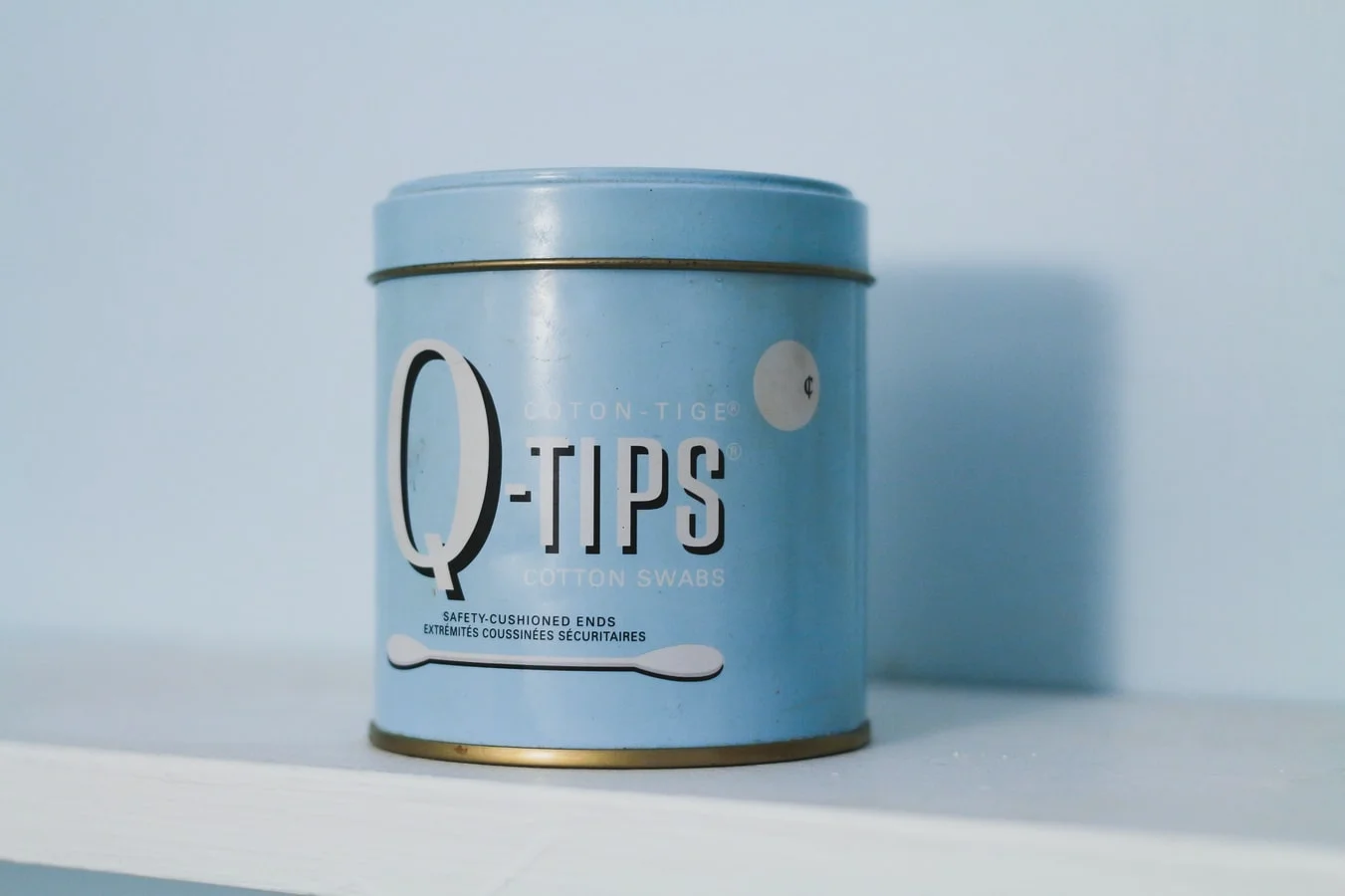 Neologism is ‘ a new word, usage or expression’.
Some neologisms in marketing have transformed into ‘generic trademarks’ such as Post-it, Velcro, Biro and Frisbee.
For marketing, neologisms are often wordplay centered around a brand name. Words have always been a crucial component of effective marketing.
They are more relevant now with the marketing content shifting as a result of the pandemic. The word “Google'' is a neologism, although it is more of a ‘generonym’, a brand name people use as a generic word.
Neologism is a factor to consider in a naming strategy.
With fleeting attention spans, it is necessary to keep marketing content short. In the ever-changing marketing lexicon, neologisms encapsulate new trends and processes.
The pandemic has made it essential that a brand voice is caring and careful without losing its essence.
Neologisms often involve wordplay centered around the name of a brand.
For instance regulations had not allowed the popular but scientifically questionable endline, ‘ Guinness is good for you.’ It was changed to ,’Guinnless isn’t good for you.’
The marketing campaign even went to the extent of including a self-help group called ‘Friends of the Guinnless’ in sympathy for those who had to go without the stout.
The breakfast cereal Weetabix ran a campaign centred around two neologisms,’ Withabix’ and ‘Withoutabix.’ It used interesting visual hyperboles of success and failure.
The artificial leather brand Naugahyde produced an imaginary creature called the “Nauga’ which supposedly produced the material by shedding its skin. The Nauga dolls became a popular merchandising spin-off.
To use neologism in naming a brand, certain factors have to be considered.
Neologism is ‘ a new word, usage or expression’.
Some neologisms in marketing have transformed into ‘generic trademarks’ such as Post-it, Velcro, Biro and Frisbee.
For marketing, neologisms are often wordplay centered around a brand name. Words have always been a crucial component of effective marketing.
They are more relevant now with the marketing content shifting as a result of the pandemic. The word “Google'' is a neologism, although it is more of a ‘generonym’, a brand name people use as a generic word.
Neologism is a factor to consider in a naming strategy.
With fleeting attention spans, it is necessary to keep marketing content short. In the ever-changing marketing lexicon, neologisms encapsulate new trends and processes.
The pandemic has made it essential that a brand voice is caring and careful without losing its essence.
Neologisms often involve wordplay centered around the name of a brand.
For instance regulations had not allowed the popular but scientifically questionable endline, ‘ Guinness is good for you.’ It was changed to ,’Guinnless isn’t good for you.’
The marketing campaign even went to the extent of including a self-help group called ‘Friends of the Guinnless’ in sympathy for those who had to go without the stout.
The breakfast cereal Weetabix ran a campaign centred around two neologisms,’ Withabix’ and ‘Withoutabix.’ It used interesting visual hyperboles of success and failure.
The artificial leather brand Naugahyde produced an imaginary creature called the “Nauga’ which supposedly produced the material by shedding its skin. The Nauga dolls became a popular merchandising spin-off.
To use neologism in naming a brand, certain factors have to be considered.